Les actualités de la BRVM en Flux RSS
Nous agrégeons les sources d’informations financières spécifiques Régionales et Internationales. Info Générale, Economique, Marchés Forex-Comodities- Actions-Obligataires-Taux, Vieille règlementaire etc.
Enjoy a simplified experience
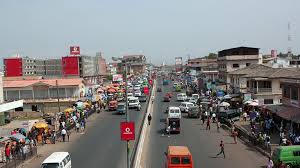
Find all the economic and financial information on our Orishas Direct application to download on Play StoreThe poverty rate in Ghana has continued to fall during in the year 2025, going from 24.9% in the fourth quarter of 2024 to 21.9% in third quarter 2025, according to the latest data published on Wednesday 21 January by the Ghana Statistical Service. These figures, established on the basis of the Multidimensional Poverty Index (MPI), show an improvement progressive living conditions in the country.
The IPM takes into account a set of indicators covering key dimensions such as health, education, employment and the conditions of life. On this basis, more than 360,000 people have been lifted out of poverty. multidimensional between the second and third quarters of 2025. In total, 7.2 million Ghanaians were still living in poverty multidimensional in the third quarter of 2025, compared to 8.1 million in the same period period a year earlier, said the chief statistician, Alhassan Iddrisu.
Despite this positive trend, territorial disparities remain marked. Poverty remains significantly higher in rural areas, where the rate reached 31.9%, compared to 14.2% in urban areas. The regions of the North-East and Savannah concentrate the most critical situations, with a incidence of poverty greater than 50%, while Greater Accra and the region in the West show rates of less than 20%.
According to Mr. Iddrisu, the main sources of pressure on IPM remain linked to health and living conditions. “Coverage health insurance, nutrition, overcrowding and sanitation continue to be the main pressure points”, he stressed, putting highlighting persistent structural challenges.
To consolidate this dynamic and sustainably reduce inequalities, the Ghanaian government has deployed several public policies, including the Poverty Reduction Strategy II (GPRS II), which aims to reduce significant increase in poverty by 2027. This strategy focuses on stimulating economic growth, improving productivity agricultural, expanding access to education and health care, as well than the promotion of gender equality.
At the same time, the cash transfer program
Livelihood Empowerment Against Poverty (LEAP), aimed at the most vulnerable households
vulnerable, continues to be strengthened. Together, these initiatives constitute
the main levers of public action to transform progress
recent in sustainable social gains.
Vous devez être membre pour ajouter un commentaire.
Vous êtes déjà membre ?
Connectez-vous
Pas encore membre ?
Devenez membre gratuitement

10/07/2026 - Sociétés
08/07/2026 - Sociétés
06/07/2026 - Sociétés
06/07/2026 - Sociétés
06/07/2026 - Sociétés

24/06/2026 - Sociétés

17/06/2026 - Sociétés
10/07/2026 - Sociétés