Les actualités de la BRVM en Flux RSS
Nous agrégeons les sources d’informations financières spécifiques Régionales et Internationales. Info Générale, Economique, Marchés Forex-Comodities- Actions-Obligataires-Taux, Vieille règlementaire etc.
Enjoy a simplified experience
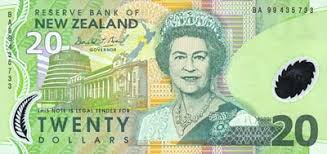
Find all the economic and financial information on our Orishas Direct application to download on Play StoreThis Wednesday, the New Zealand dollar fell to its
lowest level in six months. While the euro and the yen fell for the
third day in a row against the American dollar. The South African rand
stay stable.
The dollar
New Zealander fell to its lowest on Wednesday
Level in six months after the country's central bank cut its rate
director of 50 basis points, leaving the door open for a new
easing while the economy is in trouble. The Reserve Bank of
New Zealand cut rates to 2.5%, the lowest level in more than
by three years, causing bond yields to fall to their lowest level
since September last year.
The New Zealand dollar fell rapidly by 0.9%
at $0.5747, levels not seen since the market chaos caused by
April customs tariffs.
It had already fallen by 0.8% during the session
previous after failing to break through the resistance at $0.5844, and there was no
not much graphics support up to $0.5700.
The Australian dollar fell by 0.2% to $0.6565,
after losing 0.5% overnight. Immediate support is located at
recent low of $0.6521, while the resistance is between $0.6624
and $0.6629.
The currency fared better against the yen in
difficulty, climbing 2.7% over the week so far to reach a
11-month high at 100.20.
The US dollar reached 152.46 yen, its most
high level since mid-February, and recently increased by 0.35% to 152.40
yen.
The dollar index, which measures the strength of the bill
Green, against a basket of six currencies, grew by 0.30% to reach
98.91, its highest level since August 5, when the American president
Donald Trump threatened to carry out mass layoffs of civil servants
during the political stalemate.
The euro and the yen were heading for a
third consecutive session of decline against the US dollar, under
Pressure from political turmoil in France and expectations of recovery
increased fiscal spending in Japan.
Expansionary Economic Policies in Japan
and France's difficulties in controlling its budget deficit should
increase the risk premium required by investors to hold
government bonds, thus weighing on both currencies.
Equity markets fell while the dollar
strengthened on Wednesday, as the extension of the government's blockade
American propelled the spot gold price past $4,000
an ounce for the first time.
The South African rand remained stable during
First trades on Wednesday, like most market currencies
emerging markets, while investor concerns about the extension
of the closure of the American government have strengthened the demand for
active safe havens.
At 06:48 GMT, the rand traded at 17.25 to the dollar, a level almost unchanged from the closing on Tuesday.
Vous devez être membre pour ajouter un commentaire.
Vous êtes déjà membre ?
Connectez-vous
Pas encore membre ?
Devenez membre gratuitement

20/07/2026 - Matières Premières

20/07/2026 - Matières Premières

20/07/2026 - Matières Premières

20/07/2026 - Matières Premières

20/07/2026 - Matières Premières

17/07/2026 - Matières Premières

17/07/2026 - Matières Premières

16/07/2026 - Matières Premières

15/07/2026 - Matières Premières
20/07/2026 - Matières Premières
20/07/2026 - Matières Premières
20/07/2026 - Matières Premières